Provincial Frameworks Guiding the Rollout of Bilingual Features in Mobile Casino Applications
Sage Schmid · Sep 3, 2026
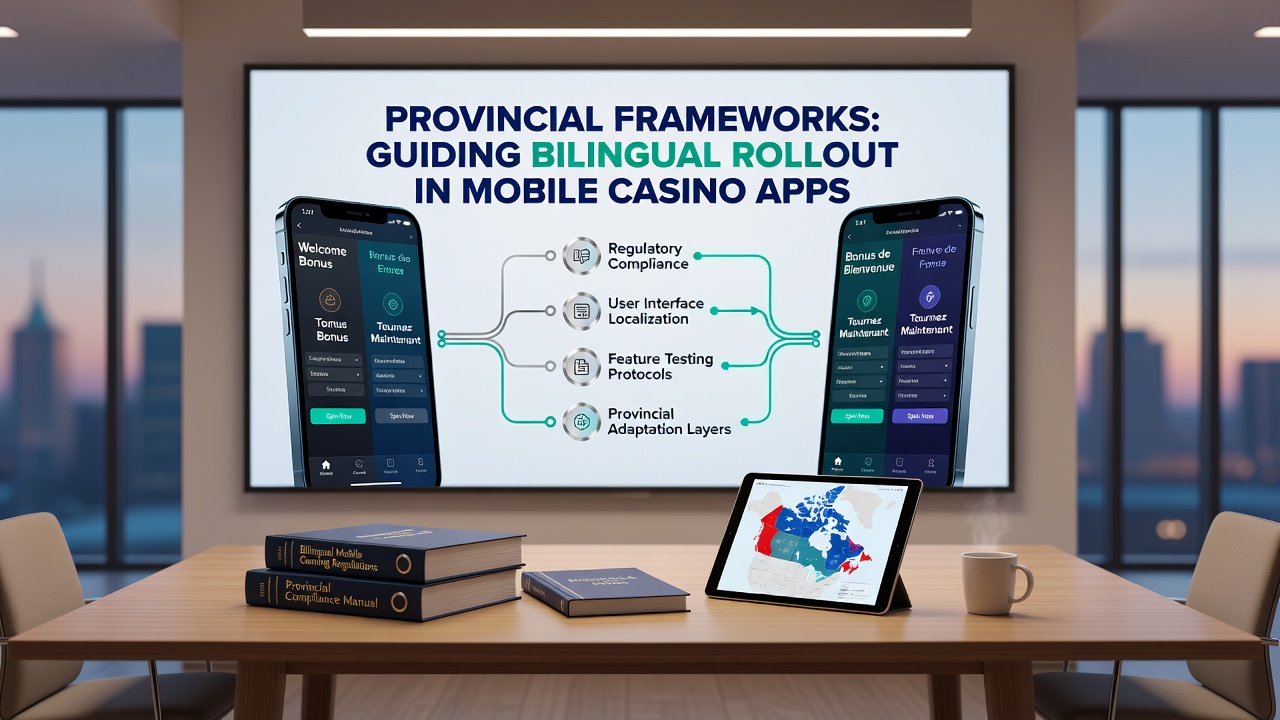
Provincial Frameworks Guiding the Rollout of Bilingual Features in Mobile Casino Applications
Provincial authorities across Canada maintain distinct regulatory structures that shape how operators integrate bilingual support into mobile casino applications, and these frameworks address language access as part of broader compliance obligations for iGaming platforms. Ontario, Quebec, and British Columbia each operate separate licensing regimes that require operators to meet specific standards for French and English interfaces, payment processing, and customer support functions.
The Alcohol and Gaming Commission of Ontario enforces rules that compel licensed operators to deliver equivalent functionality in both official languages throughout the entire user journey, from registration screens to bonus claim processes, while Quebec's Régie des alcools, des courses et des jeux applies similar mandates that tie bilingual capabilities directly to platform approval and ongoing audits.
Ontario's Approach to Language Requirements
Ontario's iGaming framework requires every mobile application to present identical navigation structures and regulatory disclosures in French and English, and operators must demonstrate that language toggles function without disrupting session continuity or transaction integrity. Data collected by the Alcohol and Gaming Commission of Ontario shows that compliance reviews in early 2026 identified several applications needing adjustments to ensure French-language bonus terms appeared with the same prominence as English versions.
Operators must also maintain bilingual chat support during peak hours, and the commission conducts periodic mystery shopping exercises to verify that language parity extends to dispute resolution flows and responsible gambling tools.
Quebec's Bilingual Mandates and Technical Standards
Quebec's regulatory environment places additional emphasis on French as the primary interface language, yet operators must still provide seamless English alternatives for users who select that option. The Régie des alcools, des courses et des jeux requires detailed documentation of how language settings persist across app updates and device migrations, which prevents situations where a player loses preferred language settings after a software release.
Provincial audits in 2026 examined whether jackpot displays, withdrawal confirmations, and self-exclusion forms maintained consistent formatting across both languages, and several operators adjusted their content management systems to meet these expectations before the September compliance deadline.

British Columbia's approach differs because the province's framework incorporates language requirements within broader consumer protection guidelines rather than standalone bilingual statutes. The British Columbia Lottery Corporation oversees operators that must ensure key responsible gambling messages and deposit limit controls remain equally accessible regardless of language selection, and third-party testing labs verify these features during initial certification and subsequent updates.
Cross-Provincial Coordination and Technical Implementation
Operators active in multiple provinces face the task of aligning their applications with varying provincial expectations while maintaining a single codebase, and industry reports indicate that many companies now use modular language packs that allow rapid updates when regulators issue new disclosure requirements. The Canadian Gaming Association has tracked how these modular approaches reduce the time needed to implement changes across Ontario, Quebec, and British Columbia platforms simultaneously.
Wallet integration systems represent another area where bilingual frameworks intersect with payment processing rules, because transaction histories and bonus balance displays must remain accurate in the user's chosen language without requiring separate backend records. Provincial regulators coordinate on data standards that support these capabilities, which reduces duplication for operators serving users in more than one jurisdiction.
September 2026 Compliance Developments
September 2026 marks a coordinated review period during which Ontario and Quebec regulators will assess whether existing bilingual features meet updated accessibility benchmarks for mobile devices. Preliminary figures released by provincial bodies show that most operators have already completed the necessary interface adjustments, although a small number of legacy applications still require remediation to fully align with the new formatting specifications.
These reviews also examine how bilingual features interact with geolocation services and age verification processes, ensuring that language preferences do not interfere with provincial residency checks or player eligibility determinations.
Conclusion
Provincial frameworks continue to evolve as mobile casino applications expand their reach across Canadian jurisdictions, and operators must monitor regulatory updates from each licensing authority to maintain compliance. The coordinated efforts between Ontario, Quebec, and British Columbia illustrate how language access standards have become integral components of platform certification rather than optional enhancements.
Those who track these developments note that technical solutions developed for one province often serve as templates for others, which streamlines future rollouts while preserving the distinct regulatory priorities of each jurisdiction.